
The switchboard operator’s job was automated out of existence. The work it became, the invisible systems that now connect every call, is worth more than the job ever was. AI is about to do the same thing to the app. The people buying AI are blunt about the fact that the future is intelligence that disappears …
Year: 2026
Bounded delegation: How much authority should AI have?
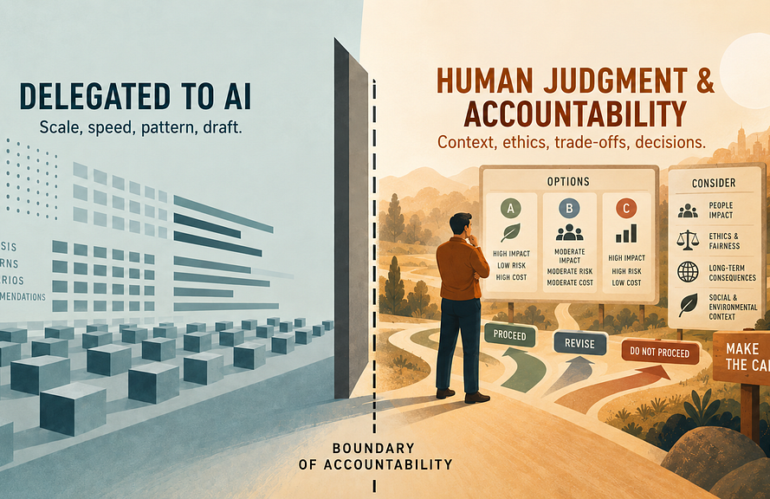
A practical model for deciding what AI can do, what humans must still own, and where product teams should draw the boundary. Image created by the author with OpenAI image generation. An AI tool clusters hundreds of customer comments and names the largest theme “pricing friction”. The label sounds plausible, so the team asks it …
Five-step color balancing with GenAI
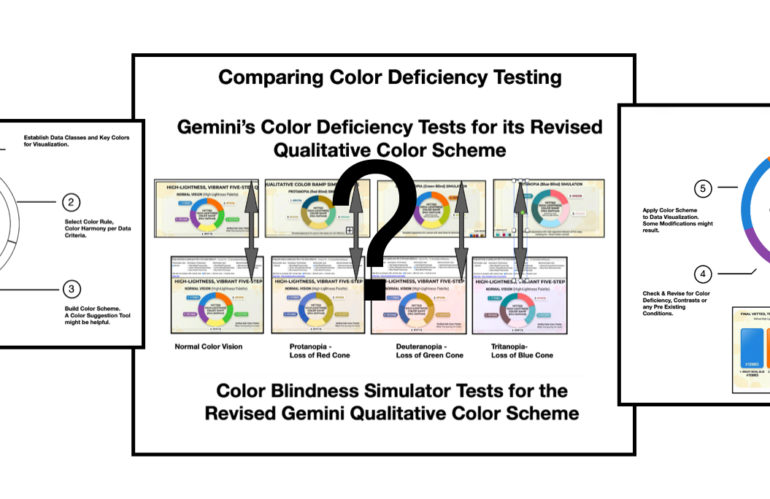
Gemini & Qualitative Data Color Scheme Design Continue reading on UX Collective » Why an earnings test raises uncomfortable questions about art, professional practice, and the value of a degree. Image source: Adobe Stock The Price of a Degree The federal government has decided to ask a question higher education has long avoided. What is a degree worth? …
Why the best resume may be the wrong resume for a design team
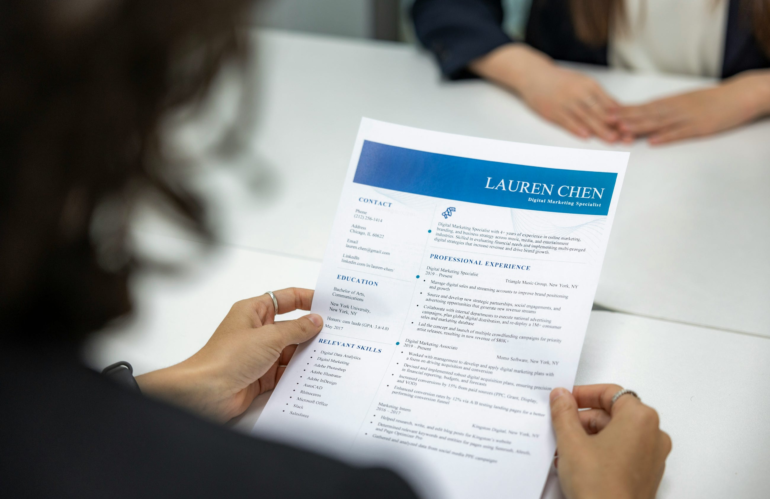
What design leadership gets wrong about experience, expertise, and innovation on a team. Continue reading on UX Collective » A design lead walks a nervous new hire through their first critique. AI Assisted. Every senior designer was once a bet someone made. The generation of judgment the field needs in ten years depends on leaders …
What Shakespeare got wrong about AI
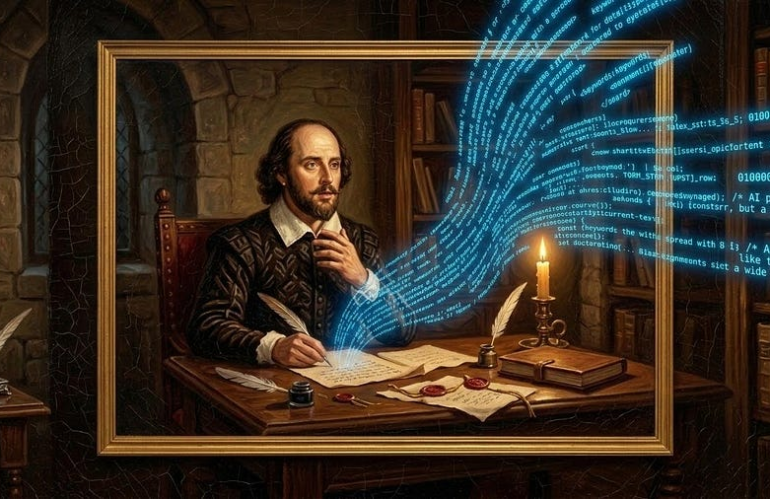
He wrote about a magic you could always stop. We built the kind that gets loose. He understood us better than science fiction ever has. The one thing he couldn’t imagine was what we actually built. Shakespeare’s magic always had an off switch. Somebody could summon it and shut it down. It wore off on its own, …
What Shakespeare got right about AI

From ink and quill to glowing code: Shakespeare’s exploration of prophecy and equivocation, the art of speaking truths that mislead, anticipates the central challenge of our own relationship with artificial intelligence. Every warning we need about AI was written four hundred years ago. What witches, a forged letter, and a haunted prince can teach you …
When the canvas starts acting, who’s really in control?

How agentic interfaces are changing what designers control, from interactions to agency, orchestration and attention. Agentic canvas can now brings context from across tools into one place, then acts on it without needing step by step instructions. AI-generated visual, Aurélie Radom ©. For most of the history of software, the interface has been the place where …
AI has a hospitality problem money can’t fix

Technological efficiency meets high-end service: a luxury hotel lobby where AI-driven recommendations are seamlessly integrated into the check-in process, offering convenience while raising questions about the role of the human touch. Everyone’s spending a fortune making AI smarter. Hospitality and retail solved the part that actually matters, decades ago. The biggest tech companies on earth will spend …
AI is lying to us, and nobody seems to care
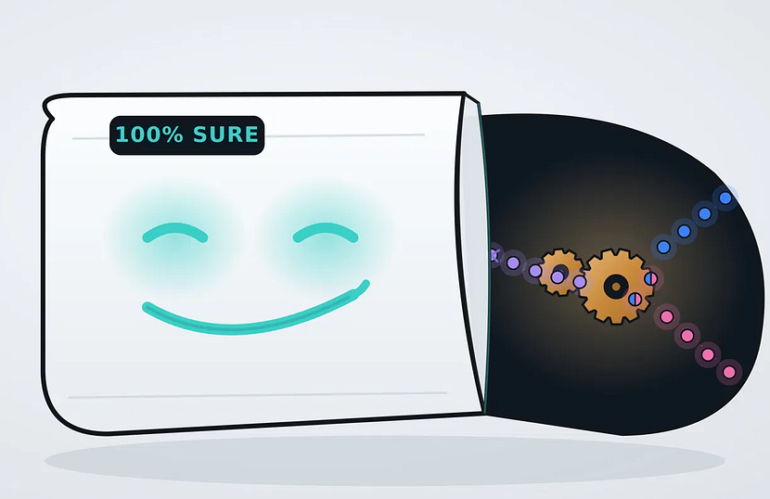
Real information in, invented information mixed in, one confident answer out. The interface never shows you how it got there. We built it to sound sure of everything. The best thing it can learn to say is “I’m not sure.” The latest argument my team and I are going back and forth on is whether we are …
Design’s dreaded phrase is coming back. This time we’re in control.

How “Everyone can Design” means designers don’t have to wait for permission Continue reading on UX Collective » Make your website feel more luxurious using a simple CSS trick. A cover image for “The CSS hack that extends your website on iOS Safari” Introduction People who read a lot of books know that paperbacks get read faster, …